The Ultimate Guide to Choosing a Premium Business Card Material
Most people spend more time picking a font for their business card than thinking about what it’s actually printed on. That’s a mistake. Material is often the first thing a person notices, even before they read a single word, and it shapes how the entire card is perceived. With more options available than ever, from heavyweight paper to plastic, wood, and metal, choosing the right material has become a real branding decision rather than an afterthought.
Why Material Choice Matters More Than Most People Think
A business card typically exists for one purpose: to be remembered long enough to result in a follow-up. Design, layout, and information all play a role, but material is what actually gets felt. It’s the first sensory signal a recipient picks up on, often before they’ve processed anything else about the card. A flimsy, forgettable material undercuts even the best logo or color scheme, while a well-chosen material can elevate a fairly simple design into something that feels considered and high-end.
This is why material deserves the same level of thought that goes into color palettes or typography. It’s not just packaging for information. It’s part of the message itself.
Breaking Down the Options
Standard paper stock remains the most common choice, and for good reason. It’s affordable, quick to print, and familiar. Heavier, textured paper stocks can elevate the feel considerably without a major cost increase, making them a solid default for most businesses.
Plastic cards offer more durability and a distinct look, often used by businesses wanting a modern, tech-forward feel. They resist water and wear better than paper, though they can feel less premium if not designed carefully.
Wood cards bring a natural, artisanal quality that works particularly well for businesses in sustainability, design, or craft-focused industries. They’re distinctive, but the production process can limit design complexity.
Metal cards sit at the premium end of the spectrum. Companies such as Metal Kards specialize in this category, producing cards with a weight and finish that immediately reads as high-end. Metal cards tend to be the most memorable option simply because so few people carry one, making them a strong choice for professionals who want their card to double as a conversation piece.
Matching Material to Industry and Brand Personality
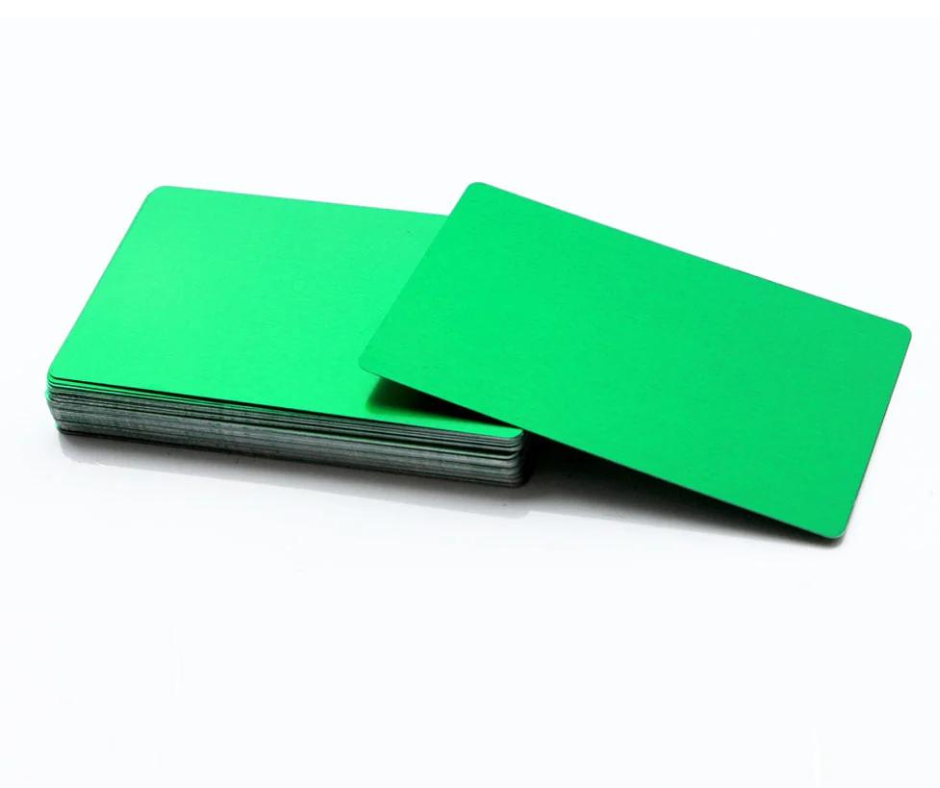
There’s no single “best” material. The right choice depends heavily on what a business is trying to communicate. A financial advisor or luxury real estate agent might lean toward metal or heavyweight paper to reinforce trust and stability. A sustainability-focused startup might choose wood or recycled paper stock to reflect its values. A creative agency might opt for plastic or unusually shaped cards to signal originality.
The key question to ask isn’t “what looks impressive” but “what matches how we want to be perceived.” A mismatch between material and brand personality can feel inconsistent, even if the card itself is well made. A construction company handing out delicate, minimalist paper cards sends a different signal than one handing out something sturdier and more industrial, for example.
Budget Considerations and Where to Splurge
Budget is often the deciding factor, and that’s reasonable. Not every business needs premium metal cards, and paper stock can look excellent when designed well. A useful approach is to think about where the card fits into the broader customer journey. If cards are handed out in bulk at large events, a well-designed paper card may be the more practical choice. If cards are reserved for higher-stakes meetings, such as closing a major client or meeting an investor, a smaller batch of premium material can be worth the added cost.
It’s also worth considering the lifespan of the investment. A slightly higher cost per unit on a durable material can pay off if it means the card survives in a wallet for months rather than getting discarded or damaged within weeks. For businesses that rely on long sales cycles or referral-based growth, that extended shelf life can matter more than the upfront cost difference.
Making the Final Decision
Choosing a business card material ultimately comes down to aligning three things: budget, brand personality, and how the card will actually be used. There’s no need to default to the most expensive option, but there’s also real value in treating material as a genuine branding decision rather than a printing afterthought. Whether the answer ends up being a well-chosen paper stock or a premium metal card, the goal is the same: making sure the card feels like an accurate, memorable representation of the business behind it.