The Future of Construction Efficiency Lies in Advanced Air Compressor Technology
The construction industry has always been driven by the need for greater efficiency, durability, and safety. In recent years, advanced air compressor technology has emerged as a pivotal factor in transforming construction site operations. Air compressors, once viewed simply as tools for powering pneumatic equipment, are now at the forefront of innovation, enabling faster workflows and reducing downtime. These advancements not only improve the functionality of various construction machinery but also contribute significantly to lowering overall operational costs. One of the key advantages of modern air compressors is their enhanced energy efficiency. Traditional models often consumed large amounts of power, leading to increased fuel expenses and environmental concerns. Today’s compressors incorporate cutting-edge designs and materials that minimize energy loss and optimize performance. Variable speed drives and smart sensors allow these machines to adjust their output according to real-time demand, reducing wasted energy and extending the lifespan of the equipment. This intelligent operation results in more sustainable construction practices, aligning with the growing emphasis on eco-friendly building projects.
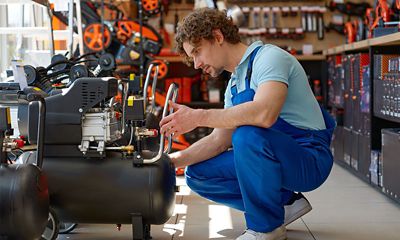
Portability and ease of use have also been dramatically improved in advanced air compressor systems. Construction sites are dynamic environments requiring equipment that can be moved quickly and set up with minimal effort. Lightweight materials combined with ergonomic designs mean that compressors can be transported between different zones with ease, boosting productivity. Moreover, user-friendly interfaces and automated controls reduce the need for specialized training, allowing operators to focus more on their core tasks rather than equipment management. This streamlining of operations ultimately accelerates project timelines. Another critical benefit is the increase in reliability and maintenance predictability. Modern air compressors are equipped with diagnostic technologies that monitor their own health and performance continuously. By identifying potential issues before they escalate, these systems help avoid unexpected breakdowns that can halt construction activities. Predictive maintenance features mean fewer interruptions and lower repair costs, which is crucial in an industry where delays can have significant financial repercussions. This level of reliability enhances trust in the equipment and boosts overall site safety.
Advanced air compressors also contribute to improved air quality and noise reduction on construction sites. With enhanced filtration systems and quieter operation modes, these compressors help create safer and my link more comfortable working environments. Reduced noise levels decrease the risk of hearing damage among workers and allow better communication, which is essential for maintaining high safety standards. Cleaner air output prevents contaminants from affecting sensitive machinery and workers, further promoting health and operational efficiency. The future of construction efficiency is closely tied to the ongoing development of advanced air compressor technology. These systems provide significant improvements in energy use, mobility, reliability, and safety, all of which are crucial to modern construction demands. As the industry continues to evolve, integrating smart, efficient air compressors will be essential for companies aiming to enhance productivity, reduce environmental impact, and maintain competitive advantages in a challenging market.